info@indianfarmerland.com - GST NO. : 09AZTPS6778B1ZI

Essential Oils
Leading Manufacturers, Exporters and Wholesaler of Almond Oil, Arachis Oil, Avocado Oil, Bay Oil, Borage Seed Oil, Clary Sage Oil, Coconut Oil, Corn Oil, Cypress Oil, Frankincense Oil, Geranium Oil, Grape Fruit Oil, Grape Seed Oil, Hemp Seed Oil, Jojoba Golden Oil, Juniper Berry Oil, Laurel Leaf Oil, lavender aromatherapy oil, Lemon Oil, Moringa Oil, Oregano Oil and Patchouli Oil from Greater Noida.
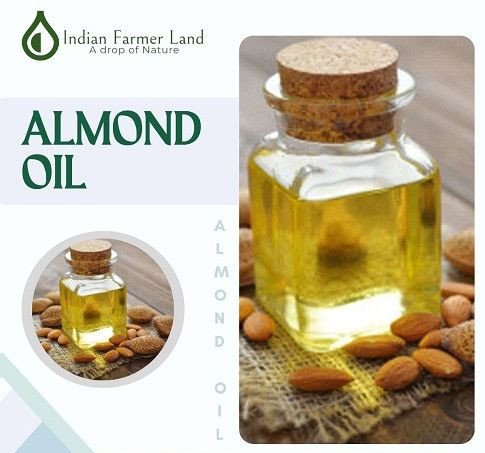
| Business Type | Manufacturer, Exporter, Supplier |
| Packaging Type | Plastic Bottels, Glass Bottles |
| Country of Origin | India |
| Botanical Name | Prunus amygdalus |
| Appearance | Appearance |
| Colour | Pale yellow bright & clear oily liquid |
| Odour | Characteristic |
| Specific Gravity at 20 °C | 0.910 – 0.915 |
| Refractive Index | 1.470 – 1.475 |
| Cotton seed Oil | As per standard |
| Sesame oil | As per standard |
| Iodine Value | 95 – 105 |
| Saponification Value | 190 – 200 |
| Peroxide Value | Max. 5 .0 |
| Storage | In Well-fitted Container, in a Cool and Dark Place. |
Description-
Almond is a deciduous tree which is edible and wide cultivated seed tree. It is scientifically known as Prunus amygdus. It grows up to 4-10m in height with a trunk up to 30cm in diameter. Almond tree is native to Middle East, Indian subcontinent and North Africa. It is known as badam in many Asian countries such as Afghanistan, India, Iran and others. Almond fruit is a drupe which consists of an outer hull and a hard shell with the seed. Young twigs are green initially, leaves with serrated margins & petiole and flowers are white to pale pink in colour.
Extraction-
Almond oil is derived from dried almond seeds through cold pressing method.
Composition –
It is rich in oleic acid 62% and linoleic acid 29% and others saturated fatty acid 9%. Its vitamins are Vitamin E, A & D and having minerals Ca, K & Mg as well.
Properties-
Almond oil is pale yellow and clear in color. It is delicious sweet in taste and medium light with quick absorption rate to skin. It is fine in texture.
Blending-
Almond oil is nicely mixes with other oils and absorbed the skin like calendula oil, macadamia nut oil, wheat germ oil etc.
Uses-
- Almond oil has great application for skin care and cosmetic products.
- It helps in repairing, rejuvenating and revitalize damaged skin.
- It is used for the treatment of acne. As it contain fatty acid that dissolves sebum which cause acne.
- Almond oil is used as wood conditioner.
- It is used to cleanse the makeup.
- Almond oil is used to make healthy and flirty eyelashes.
- Almond oil has emollient properties because it easily penetrate into skin, so used for skin care as it nourishes skin and make smooth and soft.
- It is used in aromatherapy because of its nutritional value.
- It is used in spas for its non greasy and fragrance less nature.
- It is used to remove dark circles due to its antioxidant property.
- It delays aging process, it reduces wrinkles, moisturize deeper skin.
- It is used for massaging with almond oil as it adds shine to hair.
- It prevents chapped lips and body rashes so used in lip balm.
- It is used to relieve dry and itching skin, soothes skin irritation and inflammation.
- It is used to improves complexion and retain glow.
- It is used to strengthen hair, make long and strong hair.
- Almond oil is used to protect skin from sun as it helps to reverse the damages by sun exposure.
- It is used in facial moisturizer because it repairs rough, dry and flaky skins.
- It is used to remove stretch marks because it tightens skin and improve blood circulation.
- It prevents moisture from evaporation so used as Base Oil.
- It is used to enhance immune and also aids in digestion.
Safety and Precaution-
- Do not use almond oil while pregnant & breast feeding women.
- Avoid use of almond oil of if someone has diabetes as it may lower blood sugar level.
Mineral oil & foreign fatty oil
1 vol. Of mixed fatty acids obtained in the test for mineral.
Oil and foreign fatty oil when mixed with 1 vol. Of alcohol.
Yields. A clear solution which at 15° does not. Deposit any fatty.
Acid and become turbid on further addition of 1 vol. Of alcohol.
Free Fatty Acid
The free fatty acid in 10 g require for neutralization not more than 5 ml of 0.01N NaOH.
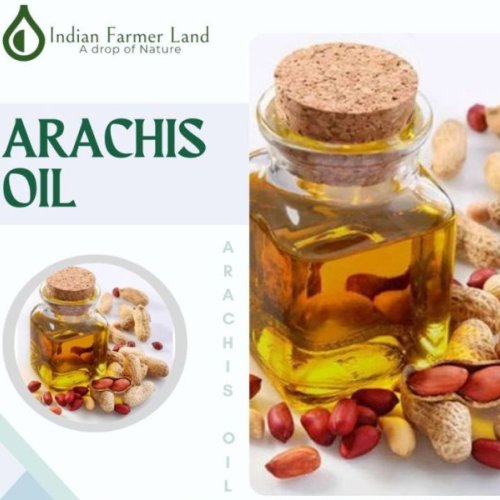
| Business Type | Manufacturer, Exporter, Supplier |
| Country of Origin | India |
| Shelf Life | 2 years |
| Botanical Source | Arachis hypogaeca L. |
| Appearance | Clear yellowish, viscous liquid |
| Solubility | Very slightly soluble in Ethanol (96%), Miscible with light petroleum. |
| Relative Density | About 0.915 |
| Identification | As per standard |
| Acid Value | Maximum 0.5 |
| Peroxide Value | Maximum 5 |
| Unsaponifiable Matter | Maximum 1% |
| Water | Maximum 0.3% |
Description-
Arachis oil is commonly known as Peanut oil; sweet and flavorful edible oil. Arachis is a slow growing annual plant, scientifically known as Arachis hypogoa, belongs to Fabaceae family. It is originated in South America and commonly cultivated in India, China and the United State. Arachis tree is an annual herbaceous plant, well grown in sandy loam soil, best in sunlight and grows 30 to 50cm. Arachis oil is mild in flavor used for cooking oil I variety of Southeast Asian, African and South American dishes due to its high smoke point.
Extraction-
Arachis Oil is extracted from kernels of peanut by pressing method.
Composition-
Its major component is oleic acid, linoleic acid & Palmitic acid and other components are stearic acid, arachidic acid, behenic acid and lignocerol acid.
Properties-
Arachis oil is sweet and flavorful peanut oil having deep yellow color with pleasant nutty aroma.
Blending-
Arachis oil is nicely blends with other essential oil, as it get absorbed to skin and deal carrier oil for others essential oils.
Uses-
- It is used as massage oil as it energizes body and helps alleviate achy joint and muscle.
- It is used to moisturize to split ends and regenerates damaged hair.
- It helps to reduce protein loss so ultimately thickens hairs, strengthen hair.
- It is natural antiseptic as it prevents dandruff.
- It is used in preparation of lotions and creams, nappy rash creams.
- It is used in aromatherapy for massage body for relaxing ad rejuvenating.
- It is used for the treatment of stomach issues such as constipation, digestive problem & diarrhea and stimulates peristaltic movements in intestine and softens faeces.
- It is used as ingredient in preparation of earwax softens and skin medications.
- It is used to treat acne as it is used against dry skin and also protect skin from blackheads.
- It is used to make ointments and medication oils.
- It helps in lower blood glucose level.
- As it has anti oxidant, Vitamin E, helps in maintaining integrity of cell membrane of mucus membrane and protect it from free radicals.
- It is used to prevent coronary artery disease,
- It is used to lowers high blood pressure, used to lower cholesterol as well, reduce risk of heart disease.
- It is used to decreases appetite as an id to weight loss.
- It used to prevent cancer.
- It is used as solvent for intramuscular injection and in preparation of foods.
Safety and Precaution-
Use peanut with caution as it contain allergens, not safe for everybody.
It may cause vomiting, pain in abdomen, swollen lips and throat difficulty in breathing and chest ingestion.
Avoid using while pregnancy or breast feeding.
Composition of Fatty –
0.4% Max. Saturated fatty acids of chain<C16 0.33%
7% to16% Palmitic Acid
1.3 to 6.5% Stearic Acid
35 to 72% Oleic acid
13 to 43% Linoleic Acid
0.6% Max. Linolenic Acid
0.5 to 3% Arachidic acid
0.5% to 2.1% Eicosenoic acid
1 to 5% Behenic acid
0.5% Max. Erucic Acid
0.5% to 3% Lignoceric acid
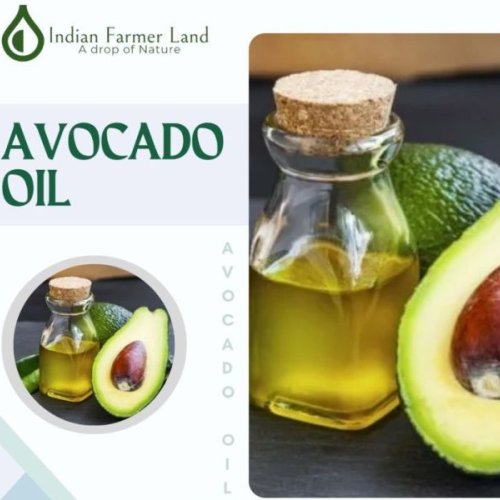
| Business Type | Manufacturer, Exporter, Supplier |
| Description | Clear bright yellow oily liquid |
| Solubility | Miscible with light petroleum |
| Specific Gravity | 0.910 – 0.925 |
| Refractive Index | 1.460 – 1.480 |
| Acid Value | Max. 1.0 Koh G/oil |
| Peroxide Value | Max. 15.0 |
| Saponification Value | 175 – 200 |
| Iodine Value | 70 – 100 |
| Water | Max 1.0% |
| Storage | In Well Fitted Container in Cool and Dark Place |
| Form | Liquid |
Description-
Avocado is a flowering plant belongs to Lauraceae, scientifically know as Persea Americana. Avocado tree grows up to 20m having leaves 12-25cm, flowers are greenish yellow and pear shaped fruit called avocado, large berry containing a single seed. It is native to South Central Mexico.
Extraction-
Avocado oil is extracted by pressing the fruit of Persea Americana. Avocado oil is edible oil.
Composition-
It is rich in Vitamin B, K, C AND E, minerals Potassium, Lecithin, zeaxanthin, carotenoids, phytosterol and fatty acids such as oleic acid, Palmitic acid, linoleic acid.
Properties-
Avocado oil is rich heavy oils, green in color, nutty in aroma, sweet and thick, waxy feel to skin.
Blending-
It nicely mixes with other essential oils such as geranium, ylang ylang, frankincense, rosemary, palmarosa, cedar wood etc and other carrier oil – olive oil, Shea butter, baobab, rosehip and wheat germ oil.
Uses-
- It is used to reduce fines lines and wrinkles.
- It rehydrates and nourishes damaged sundried skin so recommended in skin care products such as Lip balm, body butter etc.
- It is used to enhance absorption of carotenoids and other nutrients.
- It is used for skin care as it has high amount of proteins, contain sterolin and unsaturated fats so it facilitates softening of skin and to reduce age spots.
- It is used for lubrication and in cosmetics.
- It is used as ingredient in other dishes and cooking oil.
- It is used in lotions and creams because it regenerates and moisturizing properties to it relieve dry and itchy skin.
- It boosts scalp health so it helps to clear scaly skin and stimulate hair growth.
- It is used to reduce stretch mark.
- It is used in aromatherapy as it is carrier for other essential oil.
- It is used to heal diaper rashes and facilitate healing of wounds and burns to skin.
- It is used for skin disease treatment such as eczema and psoriasis.
- It increases collagen production so help to keep skin, plump and decrease the effect of aging.
- It has antioxidant such as Vit. A, D & E so it is good for dry or aged skin.
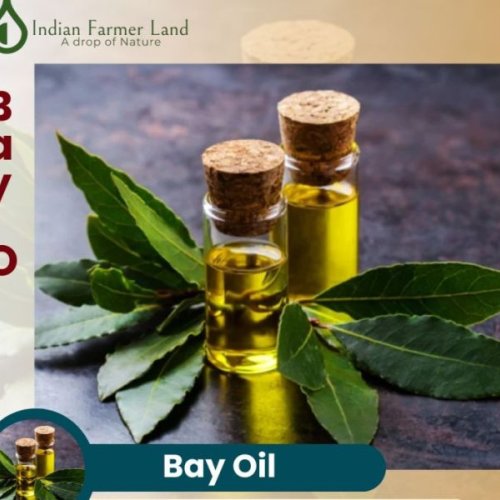
| Business Type | Manufacturer, Exporter, Supplier |
| Country of Origin | India |
| Type | Bay Leaf Oil |
| Cultivation Type | Natural |
| Botanical Source | Bay Oil |
| Odour | Strong, Pleasant, Fruity And Spicy Odour. |
| Refractive Index | 1.500-1.545 |
| Optical Rotation | -3° To +3° |
| Specific Gravity | 0.940-0.988 |
| Storage | Cool And Dark Place. |
Description:
Bay is an evergreen tree, scientifically known as Pimento racemosa, it is native to South America. Bay tree grows up to 30 feet in height, small and erect in structure. It has grayish bark, aromatic and green leaves, also bear berries. It has long pointed leaves, with small yellow or white flowers with black berries.
Extraction:
The Bay oil is acquired from the dried leaves and berries which are collected or harvested from 5 years old bay tree through steam distillation. Either added salt or seawater is required in distill for extraction of bay oil.
Properties:
Bay oil is a warming oil, deep golden yellow to brown in colour; strong spicy smell similar to clove and watery viscosity. Its aroma is fruity, spice and herbaceous.
Composition:
Main constituents of Bay oil are eugenol, chavicol, myrcene, linalool and limonene.
Blending:
Bay oil is nicely blends with cedar wood, coriander, eucalyptus, geranium, ginger, juniper, lavender, lemon, orange, rose, rosemary, thyme and ylang ylang.
Uses:
- Bay oil is used in aromatherapy due to its sedative property and as massage oil, as it induces relaxing and refreshing effect and also treats muscle & joint pain and also helps in neuralgia.
- Bay oil is used as ingredient in hair shampoos and hair conditioners because it prevents dandruff, treats hair loss and gives hairs a vibrant shine.
- It is used to heal sprains and strains.
- It is also helpful in stimulating blood circulation.
- It has skin toner quality, treats razor burns and breakouts in skin.
- Bay oil is used in perfumery, cosmetics and in men’s personal care products.
- It acts as insect repellant and also added to fumigants, vaporizers and sprays.
- It is effective against nerves pressure, stimulate blood vessels contraction and also alleviate pain due to neuralgia.
- It is effective against joint & muscle issues such as arthritis, sprains and in respiratory problems like cold, cough, viral infection and flu as it has decongestant quality.
- It prevents wounds from septic or tetanus such as severe convulsions, cramps, breathlessness, pain and inhibit growth of microbes.
- It has antibiotic property so it protects liver, heart and other internal organs.
- It provides relieve in cramps, coughs, aches, diarrhea, nervous afflictions and convulsions caused by spasm.
- It provides strengthen grip of gums on teeth, prevent sagging skin and muscles as it induces contractions in the blood vessels so that cures haemorrhaging.
- Bay oil maintains acid and base balance in stomach as it promotes bile discharge.
- It is effective against obstructed menses, promotes regularity and eases in pain.
- It has ability to fight against infections that may lead to coughs, cold, fevers and helps in brings down body temperature as it encourages perspiration and also facilitates removal of toxins through sweat.
- It is used as toner as it improves metabolic functions by toning up liver, stomach and intestine and provides healthier and stronger body.
Safety and Precautions:
Need guidance of an aromatherapy practioner as it can cause skin irritation due to its eugenol component.
Avoid use of bay oil during pregnancy or nursing women.
People who are suffering from kidney, liver diseases, cancer and who are using anticoagulants should avoid use of bay oil as it can cause harm
Keep away from reach of children and infants.
Specification of Bay Oil:
Botanical Source – Bay Oil
Description – Pale yellow coloured fluid liquid.
Odour – Strong, pleasant, fruity and exciting spicy odour.
Refractive Index – 1.500- 1.545
Optical Rotation – -3° – +3°
Specific Gravity – 0.9 40 – 0.988
Storage – In well fitted container in cool and dark place
| Business Type | Manufacturer, Exporter, Supplier |
| Appearance | Pale yellow coloured liquid, odour characteristics. |
| Wt./ml | 0.919-0.930 |
| Refractive Index | 1.472 – 1.476 |
| Free Fatty Acid (as Oleic acid) | NMT 1.0% |
| Peroxide Value | NMT 10 |
| Fatty Acids Gamma Linolenic Acid | 17% – 30% |
| Storage | Store in Cool & Dry Place. Avoid Light & Heat. |
| Form | Liquid |
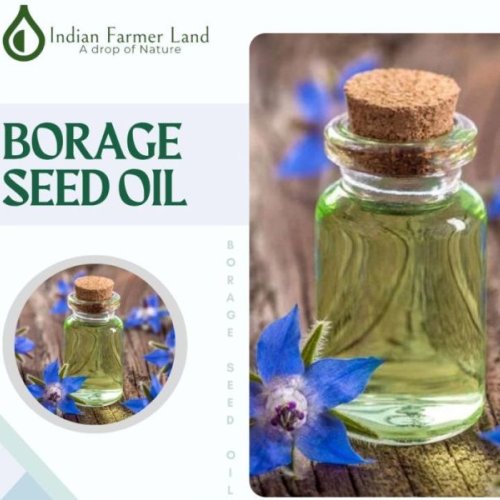
Description-Borage is an annual herb, scientifically known as Borage officinalis, belongs to Boraginaceae family. Its native place is Europe and commonly cultivated in North Africa, the
Middle East, South America and many Mediterranean regions. It has bright blue starflower, ferny leaves covered in prickly white hair and fruit is like cucumber. Borage seed oil is a natural substance which contains Gamma- linoleic acid (GLA) that provides strong anti-inflammatory effect.
Extraction-
It is extracted from the seeds of the bright purple flower of Borage plant by cold pressing method.
Composition-
Borage seed oil constituents are macronutrients, Vitamins such as Vitamin A & C, niacin, choline, thiamine and riboflavin, minerals, γ- linoleic acid, black currant oil and primrose oil, have fatty acids such as oleic, icoseoic, docosenoic, stearic ad Palmitic fatty acid chains.
Properties-
It is light yellow and slightly red in colour, rich in fatty acids and watery viscosity. It has characteristic odor.
Blending-
Borage seed oil is carrier base oil, nicely blends with jojoba, rosehip, thistle and sweet almond oil.
Uses-
- It is used for treatment of skin disorders such as eczema, seborrheic dermatitis ad neurodermatitis.
- It is anti aging that moisturizes and hydrate skin.
- Borage oil is used for respiratory problems, used to treat cough and sore throat.
- It is natural anti-inflammatory; it is treated to lower arthritis and rheumatism as it helps in reducing pain and swelling in joints.
- It is used to support brain function.
- It is used to maintain skin, bones and hair health.
- It is a good ingredient in cream as it repairs dry or sensitive skin.
- It is helpful in reducing fat accumulation.
- It has anti oxidant property so prevent free radicals and fight cancer.
- It is used in aromatherapy as it helps ease mood swings and depression.
- It is used for skin care as it relieve from skin irritation and reddening.
- It is used to improve gum health and also reduce gingivitis..
- It boosts the transmission of nerve impulse and helps in treatment of muscle spasm and numbness.
- It is used for the treatment of Multiple Sclerosis and Alzheimer Disease as it improves the transmission of nerve impulse and reduces the symptoms of muscle spasm and numbness.
- It helps in treatment of rosacea, gout, female infertility, impotence and diabetic neuropathy.
It is used to relieve from breast tenderness, premenstrual stress, menopausal symptoms as it helps ease in cramping and pain.
Safety and Precaution
It causes blood thinner.
Avoid using pregnant or breast feeding women as it has tetratogenic effect, it can cause premature labor.
It increases risk of bruising and bleeding.
It can cause nausea, diarrhea, soft stool, belching, bloating and stomach upset.
| Business Type | Manufacturer, Exporter, Supplier |
| Country of Origin | India |
| Packaging Type | Glass Bottle |
| Testing Protocol | BP |
| Occurrence | Obtained from flowering tops and foliage of Salvia sclarea L. |
| Appearance | Colourless or brownish yellow liquid, usually pale yellow |
| Odour | Characteristics |
| Identification A. GC | Meets the requirement |
| Relative Density | 0.890 – 0.908 |
| Refractive Index | 1.456- 1.466 |
| Optical Rotation | -10° – -26° |
| Acid Value | Max. 1.0 |
| α and β thujone | Max. 0.2% |
| Linalool | 6.5% – 24% |
| Linalyl acetate | 56% – 78% |
| Alpha Terpineol | Max. 5.0 |
| Germmacrene D | 1.0% – 12% |
| Sclarcol | 0.4% – 2.6% |
| Storage | In a Air Tight Container, Protected from Light At a Temperature Not Exceeding 20°c. and Container S |
Description:
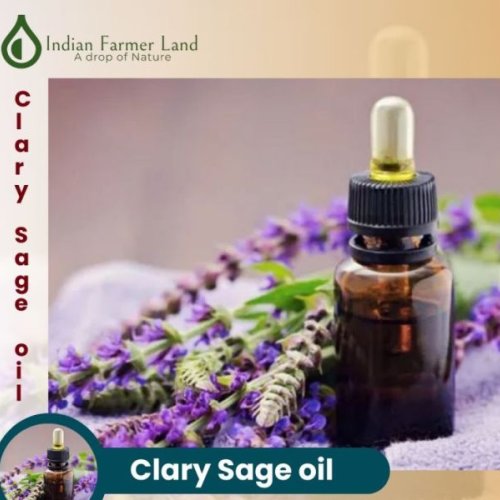
Clary sage oil is an herb, scientifically known as Salvia Sclarea belongs to Labiatae family. It is a perennial herb which grows in May to September and native to Central Asia and North Africa, its growth reaches up to 4-5 feet and it has colorful flowers, bloom in bunches and thick stems which covered with hairs.
Composition:
Its major constituents are sclareol, alpha terpineol, geraniol, linalyl acetate, linalool, caryophyllene, neryl acetate and germacrene-D.
Extraction:
Clary sage oil is derived from buds and leaves of Salvia sclarea plant through steam distillation method.
Properties:
Clary sage oil is pale yellow green in colour; it is sweet, nutty fragrance and has watery viscosity.
Blending:
Clary sage mixes well with citrus oils, lavender, cypress, juniper, pine, frankincense, geranium, rose, vertiver and sandalwood oils.
Uses:
- Clary Sage oil is an ingredient in soaps, detergents, creams, lotions, and perfumes.
- Clary sage is used in aromatherapy as it alleviates anxiety and to calm nervous system, stress, depression, and insomnia.
- It helps in menstrual cramps, promotes relaxation during childbirth and ease menopause symptoms.
- It has aphrodisiac property as it boosts libido and improves sexual performance.
- Clary sage oil improves vision and tired or strained eyes as it clears eyes.
- It has antiseptic property; it cleanses wounds and also protects body from infections during surgery.
- It reduces blood pressure by relaxing arteries and also decreases heart issues risk.
- Clary sage stimulates hair growth and control sebum production in scalp and prevents dandruff.
- It promotes skin health by regulating oil production and reduces inflammation which may lead to dermatitis.
- Clary sage oil is used as ingredient in muscatel wine and wine essences.
- It is added as additives in food products such as frozen dairy desserts, baked goods, condiments and non-alcoholic beverages.
- It supports respiratory system, provides relief from colds, bronchitis and sore throat and also promotes digestive health.
Safety and Precaution:
- First take advice from a physician or experienced aroma therapist before using clary sage oil internally.
- As it has sedative property so it can increase the intoxicating and narcotic effects of alcohol and drugs.
- People who have low blood pressure problem should avoid use of clary sage oil because of its hypotensive effects.
- Do not use clary sage oil while pregnant because it stimulates menstrual flow.
- Keep out of reach of infants and young children due to their highly sensitive skin.
| Business Type | Manufacturer, Exporter, Supplier |
| Extraction | Coconut Oil Is Acquired From Coconut Meats Which Are Obtained From Coconut Palm Through Dry Or Wet Processing. |
| Composition | Coconut Oil Is Mainly Constitutes Of Saturated Fatty Acids Such As Lauric Acid, Capric Acid, Capyrylic Acid And Myristic Acid, Unsaturated Fatty Acid Like Oleic Acid, Linoleic Acid, Polyphenols, Derivates Of Fatty Acids & Fatty Polyphenols And Vitamins An |
| Type | Edible Oil |
| Material | Coconut |
| Packaging Type | White |
| Application | Cooking, Skincare, Haircare |
| Additional Information | Rich In Saturated Fatty Acids And Vitamins |
| Storage | Store In A Cool, Dry Place Away From Direct Sunlight |
| Country of Origin | India |
Description:
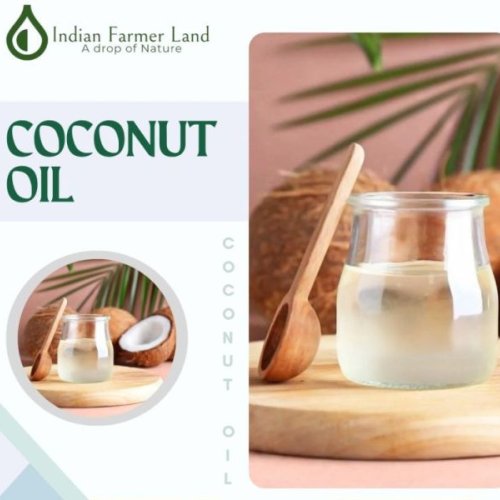
Coconut oil is obtained from kernels of coconut which is harvested from coconut palm, scientifically known as Cocos nucifera. Coconut tree is commonly or widely cultivated in Southeast Asia, India, Philippines and other tropical regions.
Extraction:
Coconut oil is acquired from coconut meats which are obtained from coconut palm through dry or wet processing.
Composition:
Coconut oil is mainly constitutes of saturated fatty acids such as lauric acid, capric acid, capyrylic acid and myristic acid, unsaturated fatty acid like oleic acid, linoleic acid, polyphenols, derivates of fatty acids & fatty polyphenols and vitamins and minerals such as Iron.
Properties:
Coconut oil
| Business Type | Manufacturer, Exporter, Supplier |
| Country of Origin | India |
| Type | Edible Oil |
| Material | Zea Mays (Maize) |
| Color | Pale Yellow (Refined) |
| Extraction Method | Cold Expeller Pressing |
| Properties | Dark (Unrefined), Nutty Taste |
| Blending | Blends Well With Essential Oils |
| Application | Biodiesel, Industrial (Soap, Paint, Inks), Pharmaceutical Carrier, Anticholesterol, Ingredient In Margarine, Skin & Hair Care, Tonic |
| Safety | Non-toxic, Store In Cool Place Away From Sunlight |
Description:
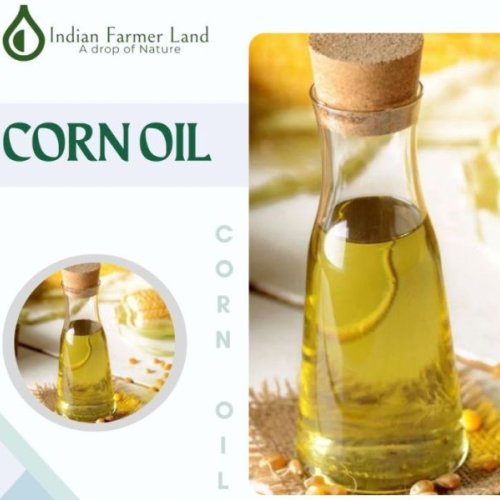
Corn Oil is a healthy edible oil which is acquired from Zea mays, also known as Maize. It is the grain of a plant from the grass family, native to Central America, cultivated in varieties throughout the world. Corn oil is healthy as it contains polyunsaturated fatty acids, commonly used in cooking, where its high
| Business Type | Manufacturer, Exporter, Supplier |
| Country of Origin | India |
| Storage | In well fitted container in cool and dark place. |
| Solubility | Soluble in Alcohol and other Organic Solvents and Insoluble in Water. |
| Refractive Index | 1.470 |
| Specific Gravity | 0.888 |
| Odour | Characteristics |
| Packaging Type | Slightly Yellow Colour |
| Appearance | Fluid Liquid |
Description:
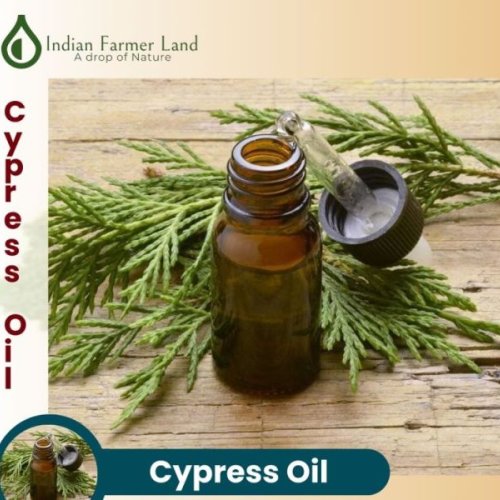
Cypress oil is acquired from cypress tree, scientifically known as Cupressus sempervirens belongs to Cupressaceae family. Cypress oil is fresh and herbaceous in aroma. Cypress is a deciduous tree and has dark green foliage, small flowers and round brown gray cones with seeds nut. It is well grown in wetlands and it is native to South Western US Mountains and Northern Mexico. It is widely cultivated in Spain, France and Morocco.
Extraction:
Cypress essential oil is obtained from bark of cypress tree through steam distillation method. Cypress oil is pure and organic by steam distillation and if it is extracted by solvent extraction or supercritical carbon dioxide then it does not remain organic.
Properties:
Cypress oil is greenish or yellowish in appearance and has fresh and herbaceous aroma and slightly evergreen and woody scent that promote calming and healthy & full of energy feel.
Blending:
Cypress is well mixes with other woody oils like cedar wood and pine oil and other essential oils such as lavender, rosemary and citrus oils like bergamot, frankincense, juniper berry oil, lime, lemon, orange, and grapefruit.
Uses:
- It is used as an astringent, helps to strengthen gums and tighten muscle throughout the body, shrinks skin and makes skin taut.
- It is used for treatment of hemorrhoids and edema.
- It reduces congestion in the lymphatic system.
- It has anti spasmodic property; it prevents spasms, drives fluid retention away and prevents convulsions, muscle pulls, cramps and spasmodic cholera.
- It helps in treatment of both external and internal wounds, used as ingredient in lotions and creams as it prevents infections to wounds due to its Camphene in cypress oil.
- It increases frequency & quantity of urination and promotes digestion and stops gas from forming in intestines and reduces swelling.
- It helps in eliminating toxins from body and reduces blood pressure and cleans out kidneys.
- It encourages respiratory system, increases lungs efficiency, helps to eliminate coughs and phlegm which accumulated in respiratory tracts and lungs and also clears up congestion, making breathing easier in coughs and cold.
- It ensures health of liver by regulating proper discharge of bile from organ and protects liver from infection.
- It induces calming, relaxing effect on mind & body by relieving nervous stress and anxiety
- It stimulates perspiration and cures excessive sweating and reduces heavy menstruation and heavy bleeding.
- It is effective against varicose veins, cellulite, asthma, bronchitis and diarrhea.
- It is used in aromatherapy products like scented candles, soaps, incense and others.
- It is used in formulations of body and also added to anti lice shampoo.
Safety and Precautions:
Avoid cypress oil during pregnancy.
Do not use Arizona cypress oil as it contains toxic ketone which can attack mucous membrane.
| Business Type | Manufacturer, Exporter, Supplier |
| Appearance | Fluid liquid |
| Color | Pale yellow to light yellow |
| Odour | The Odour is Strongly Diffusive, Fresh Terpency Almost Green Lemon like Sweet Woody Balsamic Underto |
| Botanical source | Boswellia serrata |
| Specific Gravity | 0.825 – 0.860 |
| Optical Rotation | +22° – +38° |
| Refractive Index | 1.451 – 1.461 |
| α-thujene | 59% – 84% |
| α-pinene | 1% – 8% |
| Sabnine | 2% – 8% |
| β-pinene | 0.1% – 5% |
| Myrcene | NMT 2.0% |
| α- Phyllendrene | 0.5% – 3% |
| Para Cymene | 0.5% – 3% |
| Limonene | 2% – 6% |
| Gamma Terpinene | NMT 3.0% |
| Solubility | Soluble in alcohol and other organic solvents. |
| Storage | In Well Fitted Container in Cool and Dark Place. 🔍 Frankincense Oil |
Description-
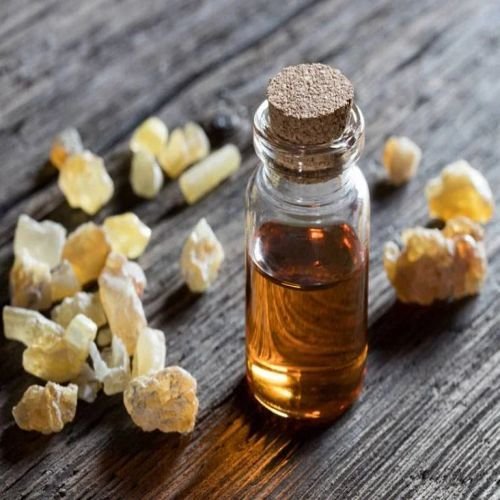
Frankincense is a shrub commonly grown in Oman and Somalia and also popular in Middle East. Frankincense tree is scientifically known as Boswellia sacra tree that produces a gum or resin which further proceeds into an essential oil.
Extraction-
Frankincense essential oil is extracted from gums and resins which obtained from Bowellia sacra shrub that can be steam distilled into an essential oil.
Properties-
Frankincense oil is uniquely warm, sweet and light with floral incense like aroma which elevates spiritual experience.
Blending-
Frankincense oil blends well with carrier oils like jojoba oil, coconut oil, Shea butter, citrus oils and lavender oil.
Uses-
- It is used by either inhaling oil or absorbing it through the skin.
- It is wonderful for skin as it reduces acne and tightens the skin, it naturally slow signs of aging reduce & fade scars and improve tone.
- It is used for treatment against cancer or deal with chemotherapy side effects.
- It is used to heal skin and as wrinkle fighter.
- It is used to halts dental health issues such as tooth decay, bad breath, cavities or oral infection.
- It is used as deodorizer and natural household cleaner.
- It is used to open senses and create calming atmosphere.
- It heals wounds from cuts, scrapes and burns.
- It is useful in lowering levels of anxiety or chronic stress that can relax asleep.
- It is used as antiseptic and disinfectant to eliminate cold and few germs.
- It is used for treatment for skin rashes and digestive problems like nausea or stomach pain.
- It boosts immune system and prevents illness.
- It is used to relieve restless leg syndrome.
- It is also helpful in relieves from digestive stress such as gas, constipation, stomach ache ad irritable bowel syndrome.
Safety and precaution –
Avoid using in excessive as it may cause skin rashes and also digestive problems like nausea or stomach may cause blood thinning effect so do not use blood clotting related patients.
| Business Type | Manufacturer, Exporter, Supplier |
| Country of Origin | India |
| Appearance | Fluid liquid |
| Color | Colourless, pale yellow to green. |
| Odour | The Oil have Characteristics Odour Resembling Rose and Geraniol |
| Botanical Source | Pelargonium Gravellens |
| Specific Gravity | 0.875 – 0.898 |
| Refractive Index | 1.464 – 1.475 |
| Solubility | Soluble in Alcohol and other Oils and Insoluble in Water |
| Storage | In Well Fitted Container in Cool and Dark Place. |
Description:
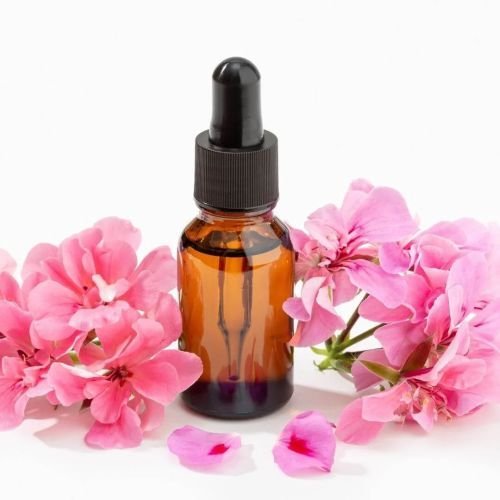
Geranium is a perennial shrub, botanical known as Pelargonium graveolans. It is native to South Africa. Geranium plant has small pink flowers and pointy leaves, found in temperate regions and mountains, commonly in eastern part of Mediterranean region. Geranium plant is well grown in well drained but moisture retentive soil which is rich in humus. Geranium oil has many benefits for health, aromatherapy and perfumery.
Extraction:
Geranium oil is acquired from stems and leaves of the geranium plant through steam distillation.
Properties:
Geranium oil is sweet, strong rosy fragrance oil with slight mint touch. Geranium oil is colorless but can have slight light green color and watery in viscosity.
Composition:
Geranium oil is mainly composed of citronellol, geraniol, nerol, citonellyl formate, isomenthone, linalool, geranyl butyrate, geranyl acetate, limonene, myrcene and α-pinene.
Blending:
Geranium oil is nicely blends with bergamot, angelica, basil, lavender, cedar wood, carrot seed, citronella, lavender, neroli, lime, orange, lemon, jasmine, grape fruit, clary sage and rosemary oil.
Uses:
- Geranium oil is used in aromatherapy as it calm and relaxes mind and body, it uplifts spirit and provide relief in stress, anxiety and depression.
- As geranium oil has astringent property; it induce contraction in muscles, it prevent muscles and skin from sagging as it tightens facial skin and prevents aging as well. It is used to reduce wrinkles and provide toned appearance to muscles.
- Geranium oil helps in treatment of various skin issues such as acne, eczema, burns, cuts, dermatitis.
- It helps in protecting body from infection, it prevent bacteria from growing on wound, fight internal infection as well and provide healthier body.
- It is used to heal cuts, wounds, surgical incisions, skin irritation and infection even helps in fading of scars and spots on skin quickly due to its cicatrisant property as it increases blood circulation in surface of skin.
- It is added to baked goods, frozen dairy, alcoholic or non alcoholic beverages and candies.
- It is natural deodorant, it has artificial rose scent fragrance, it exits body through perspiration, helps in removing bodily odors.
- It is haemostatic as it quickly coagulate and clot blood , aids in healing of wounds and prevent toxins from entering bloodstream through open wounds.
- It promotes regeneration of new cells and helps in growth of body cells and supports metabolism efficiently.
- It has diuretic properties as it increases urination, eliminates toxins such as urea, uric acid, bile salts, pathogens, heavy metals and other synthetic substances.
- It is effective against neuro-degenerative diseases like Alzheimer’s and dementia.
- It is used as insect repellant as it wards off mosquitoes and head lice.
- It is used as burners and vaporizers; it helps in relieving stress, menopausal problems and for energizing.
- It is effective against menstrual irregularities.
- It is used as ingredient in creams and lotions as it balances between oily and dry skin.
- It is used to prevent nose and throat infection, it reduces soreness.
- It promotes mental functioning by its floral smell which calm and relaxes body and eases in nervous tension.
Safety and Precaution:
Avoid use while pregnant or breast feeding women.
It can have sensitizing effect in rare cases.
| Business Type | Manufacturer, Exporter, Supplier |
| Country of Origin | India |
| Appearance | Fluid liquid |
| Packaging Type | Orange Brown to Dark Yellowish, Brown or Olive Brown Occasionally Lemon Yellow Colour. |
| Odour | The Odour is Pleasant Orange like with a Rich Neroli Reflection, Floral Undertone. |
| Botanical Source | Citrus Paradisii |
| Specific Gravity | 0.840 – 0.858 |
| Refractive Index | 1.471 – 1.482 |
| Optical Rotation | +78° to +94° |
| Solubility | Soluble in Alcohol and other Organic Solvents & in Soluble in Water. |
| Storage | In well fitted container in cool and dark place. |
Description:
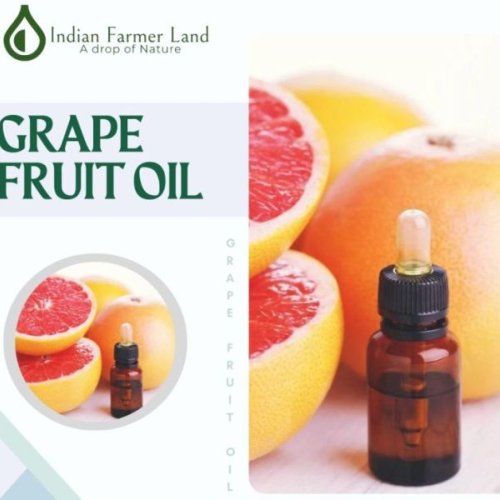
Grapefruit is a hybrid subtropical citrus tree, scientifically termed as Citrus paradise belongs to Rutaceae family, also known as C. racemosa and C. maxima. It is originated from Asia, also cultivated in U.S.A., Brazil and Israel. It usually grows up to 16-20 feet but it can reach 43-49ft as well. Grapefruit flower its fruit is pale yellow orange skinned and grows in grape like clusters.Grapefruit oil is rich in antioxidants as it contains Vitamin C, Vitamin A and lycopene.
Extraction:
Grapefruit oil is extracted from grapefruit fresh peel through distillation process or by cold compression.
Properties:
Grapefruit essential oil is either pale yellow or light ruby in color, having sharp refreshing aroma and watery viscosity.
Composition:
The most abundant constitute of grapefruit oil is limonene approx 80-85% and other major constituents are alpha pinene, sabinene, myrcene, geraniol, linalool, decyl acetate, neryl acetate and terpinen-4-ol.
Blending:
Grapefruit oil is nicely mixes with bergamot, lavender, geranium, palmarosa and frankincense essential oil.
Uses:
- Grapefruit oil is effective against excessive oiliness, dryness and blemishes and promote glow to skin.
- It prevents skin from aging and reduces dark spots, fine lines and wrinkles.
- It also decreases chance of skin cancer as it contain Vitamin C, have antioxidant property.
- It is used for treatment of angular cheilitis, an infection in which mouth corners that manifests itself through red blamed lesions and also prevents mouth corner cracks.
- Grapefruit oil is beneficial for hair care as it stimulate hair follicles, promotes hair growth, helps in treatment of hair loss and also detangles hair.
- It is detoxifier as it eliminates toxins, remove excess fluids and help burn fat.
- It is used for aromatherapy; it alleviates hangovers, headaches, mental fatigue and depression.
- It is used as ingredient in skin and hair care products, as it reduce appearance of cellulite.
- It is used as air freshener and deodorizer as it remove unpleasant odors in kitchens and bathrooms.
- It is used in massage oil, it provide relief from muscle and joint pain, menstrual cramps and headaches.
- It is effectively fight against drugs addiction and food cravings by its soothing effect.
- It promotes immune system; it fights against activity of free radicals.
- It act as stimulant as it stimulates brain & boost thinking power and also stimulate endocrine glands and promote secretions of hormones, enzymes and keep entire body healthy.
- It ensures healthier lymphatic system as it boosts lymphatic activity and eliminates toxins and prevents problems like cellulite, blood urea, rheumatism, arthritis, gout and renal calculi.
- It has disinfectant quality as it protect body from infections and eliminates infections. It is used for treatment of colons, stomach, intestines, urinary system, excretory system and kidneys.
- It is used as toner for all organ systems as it improves overall health and strength , also tones up all organ system inside our body.
- It reduces muscles stiffness and cramps by its refreshing feeling.
- It is used for treatment of dry throat, cold and influenza and prevents gingivitis and promotes healthy gums and breathes freshener.
- Grapefruit oil is used as fragrance component in soaps and cosmetics.
Safety and Precautions:
- Avoid using before sun exposure as it can cause skin irritation and skin discoloration because it increases photosensitivity to ultraviolet rays.
- Avoid consuming during pregnancy or breast feeding
- Keep away from reach of children.
| Business Type | Manufacturer, Exporter, Supplier |
| Country of Origin | India |
| Packaging Type | Glass Bottels |
| Appearance | Fluid liquid |
| Colour | Dark Yellowish, Brown or Olive Brown Occasionally Lemon Yellow Colour. |
| Odour | The Odour is Pleasant Orange like with a Rich Neroli Reflection, Floral Undertone. |
| Botanical Source | Citrus Paradisii |
| Specific Gravity | 0.900 – 0.934 |
| Refractive Index | 1.465 – 1.480 |
| Saponification Value | 170-190 |
| Acid Value | Max. 2.0 |
| Iodine Value | 79 – 95 |
| Peroxide Value | Max. 5.0 |
| Solubility | Soluble in alcohol and other |
| Palmitic Acid | 2% – 9% |
| Stearic acid | 1% – 5% |
| Oleic Acid | 9% – 28% |
| Linoleic acid | 60%- 78% |
| Storage | In well fitted container in cool and dark place |
Description:
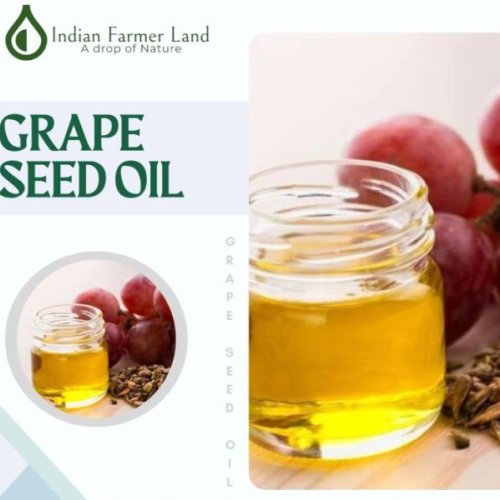
Grape seed oil is obtained from wine grapes scientifically known as Vitis vinifera belongs to Vitaceae family. It is native to Central Europe and South Western Asia. Grape seed growth reaches up to 32 meters in height, with flaky bark and leaves are alternate, palmately lobed, 5-20 cm long ad broad, its fruit berry is known as grape.
Extraction:
Grape seed oil is extracted from seeds of grapes i.e. Vitis vinifera through cold pressed and partially refined method.
Composition:
Grape seed oil is mainly constitutes of fatty acids such as linolenic acid, oleic acid, hexadecanoic acid,octadecanoic acid, alpha linolenic acid, palmitoleic acid and also contains tocopherols, steroids and small amount of Vitamin E.
Properties:
Grape seed oil is light green in colour and its odor is strong with a hint of nutties. Grape seed oil has powerful antioxidant property so it is used in various skin care products formulation.
Uses:
- It is used in skin care formulations for creams and lotions and in aromatherapy.
- It has emollient property as it easily absorbed by skin and carries a reduced danger of allergy.
- It heals wounds and it helps body repair wounds faster on skin with fewer scars.
- It is used as base oil for body lotions and massage oils.
- It is used in the production of massage oils and balms, hair and hygienic products, face and body moisturizers, sunblocks and sunburn ointments.
- It is used to treat acne as it contains antioxidants and anti inflammatory quality to prevent acne.
- It has astringent property which helps to tighten skin, close up pores.
- It provides relief from dark circles under eyes.
- Grape seed provide relief from pain and swelling caused by arthritis and issues like rheumatoid.
- It protects blood vessels from damage, which regulate blood pressure.
- It encourages bone formation and bone strength.
- It is used to treat acne, allergic reactions, atopic eczema, dry & itchy skin and dermatitis due to its anti inflammatory properties as it contain linoleic acid.
- It protects against UV radiation and lightens the effects on age spots and pigmented skin caused by UV rays.
- It prevents cancer as it induces apoptosis and suppresses development of different types of cancers.
Safety and Precautions:
- Do not use Grape seed oil in excess amount as it may cause diarrhea and soft stools.
- Grape seed oil may increase risk of developing bleeding complications.
- It may cause scalp appears unusually dry or flaky and itches profusely.
| Business Type | Manufacturer, Exporter, Supplier |
| Application | Promotes Brain Development,Supports Heart Function,Enhances Immune System,Moisturizes Skin,Fights Cancer |
| Packaging Type | Dark To Clear Light Green (Unrefined),Colorless And Clear (Refined) |
| Number Of Flower | Carrier Oil |
| Country of Origin | India |
| Form | Liquid |
| Packaging Size | Glass Bottels |
| Material | Hemp Seeds |
| Extraction Method | Cold Pressed |
| Properties | Nutty Flavor, Rich In Essential Fatty Acids, Proteins, And Minerals |
| Composition | Omega-6, Omega-3, Linoleic Acid, Linolenic Acid, Gamma Linolenic Acid |
| Safety | Avoid For Prostate Cancer Patients, Anti-coagulant Effect On Blood, Keep Out Of Reach Of Children |
Description:
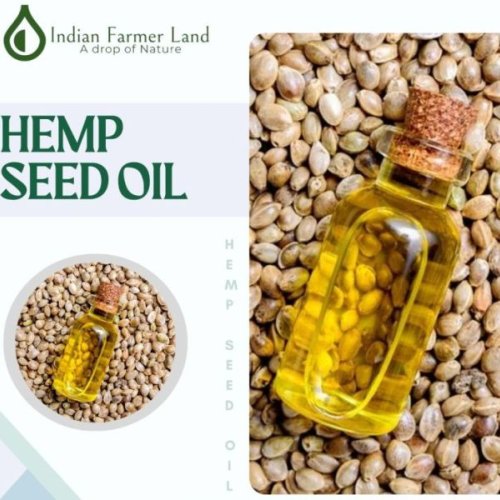
Hemp seed oil is obtained from hemp plant, scientifically known as Cannabis sativa belongs to Cannabaceae family. Cannabis is an annual, dioecious, flowering herb. The leaves are palmately compound or digitate with serrate leaflets. The lower leaf pairs usually occur in an opposite leaf arrangement and upper leaf pairs in an alternate arrangement on the stem of a mature plant. All plants in the Cannabis genus can produce oil, but usually only industrial hemp is used to make hemp oil.
Extraction:
Hemp seed oil is acquired by pressing seeds of Cannabis sativa plant through cold pressed method. Hemp oil or hemp seed oil is a carrier oil obtained from industrial hemp plant but it is very low on Tetrahydocannabinol (THC). THC is a psychoative substance responsible for marijuana’s effects.
Properties:
Unrefined hemp oil is dark to clear light green in color with a nutty flavor while refined hemp oil is colorless and clear and has little flavor and lacks natural vitamins and antioxidants. Hemp seed oil is thick oil like olive oil
Composition:
Hemp seed oil is composed of essential fatty acids such as omega-6, omega-3, linoleic acid and linolenic acid, gamma linolenic acid, proteins and high in minerals.
Uses:
- Hemp seed oil promotes development of healthy brain.
- It encourages heart function as it contains essential fatty acid which supports good cardiovascular function and circulation.
- It is used as pure supplement which enhance brain activity, mood and immune system.
- It improves immune system, keep intestinal flora healthy and respond faster to viruses and bacteria.
- It strengthens hair and nails as it stimulates blood circulation.
- It fights against cancer as it inhibits effects of cannabinoids over many types of cancer.
- It helps building muscle mass; strengthen muscle mass as well as its density.
- Hemp seed oil benefits for skin, moisturizes skin deeply and protect skin from free radicals which is main cause for premature aging.
- It is effective against psoriasis as it nourishes and moisturizes skin and reduces itchiness, redness and dryness.
- It reduces acne as it heals it scars and leaves skin smooth and elastic.
- It can be used as a massage oil to soothe skin and calm inflammations.
- It treats eczema affected skin and restores skin tissues.
- It provide relief from osteoporosis, arthritis, rheumatoid, poor circulation, irregular hormone levels, menopause, multiple sclerosis, weight loss, Crohn’s disease, kidney degeneration, HIV virus and tuberculosis.
Safety and Precaution:
Avoid use of hemp seed oil by prostate cancer patients or people who take blood thinners as it has anti coagulant effect on blood.
It can increase prostate cancer risk as it could promote growth of tumors of prostate cancer cells.
Keep out of reach of children due to excessive amount of hemp seed oil can cause nausea, diarrhea or abdominal cramps.
| Business Type | Manufacturer, Exporter, Supplier |
| Botanical Source | Jojoba |
| Appearance | Fluid liquid |
| Odour | Typical odour of Jojoba |
| Specific Gravity | 0.861 – 0.883 |
| Refractive Index | 1.460 – 1.481 |
| FFA (% as oleic acid) | ≤1 |
| Peroxide Value | Maximum 2 |
| Storage | In Well Fitted Container in Cool and Dark Place. 🔍 Jojoba Golden Oilin Well Fitted Container in Coo |
| Acid Value (KOH/g oil) | ≤2 |
| Colour | Clean colourless transparent liquid at |
| Acid Value | Maximum 1 |
| Iodine Value | 78 – 92 |
| Saponification Value | 85 – 98 |
Description –
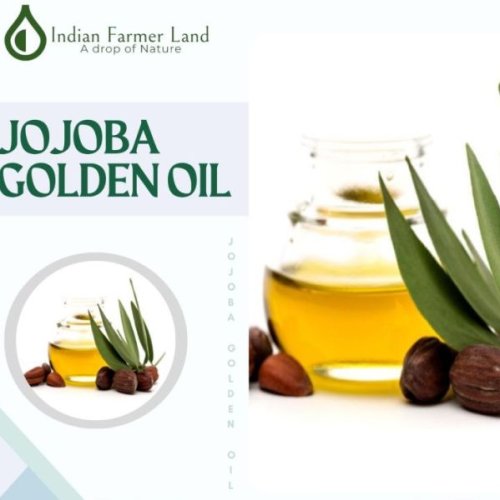
Jojoba oil is an evergreen woody shrub, commonly grown in desert areas such as California, Arizona and Mexico. Jojoba oil is derived from the seed of Simmondsia chinensis. Jojoba oil is carrier oil which is actually liquid wax, it is quite similar to the sebum of the skin and it is containing Vitamin E.
Extraction-
Jojoba oil is extracted from the seeds of jojoba plants by cold pressed method.
Properties-
Jojoba oil is clear golden to brownish yellow in appearance and having liquid viscous vegetable wax. It is soluble in specific oil and insoluble in alcohol. Jojoba oil is immediately get penetrate into skin without leaving greasy effect. Jojoba golden oil is pleasant and slightly nutty in odor.
Composition-
Jojoba contains high proportion of mono saturated fatty acids, 11-eicosenoic acid and other fatty acids are erucic acid, oleic acid and other in smaller amount such as Palmitic acid, palmitoleic acid, arachidic acid and behenic acid etc.
Blending-
Jojoba oil is well blends with many other carrier oils such as sunflower oils, coconut oil.
Uses-
- Jojoba oil used in aromatherapy as jojoba oil has emollient property and excellent in skin care.
- Jojoba oil contains esters which make oil best for the face, body and scalp.
- It is used to heal skin cuts, mouth sores, pimples, warts and acne.
- It helps to moisturize the skin, to soothe wrinkles and reduces scaly lines due to dry skin.
- Jojoba oil makes skin suppler and softer.
- Jojoba oil is used in hair care product as it prevents dandruff, hair loss and dry hair.
- It is used to remove make up.
- Jojoba oil is used to make skin softer and smoother so recommended in various products such as lotions, body care lotion, scrub, body creams.
- It is used to promote glowing skin complexion.
- It is used to treat sunburns.
- Jojoba oil is used to control mildew as it is fungicidal.
Safety and Precaution-
- Jojoba oil is non digestible as it can cause steatorrhea.
- People who are sensitive of it, it may cause rashes or allergic reaction.
- Avoid orally use of jojoba oil as it contain erucic acid, it can damage heart.
- Do not use jojoba oil while pregnant or breastfeeding.
| Business Type | Manufacturer, Exporter, Supplier |
| Country of Origin | India |
| Cultivation Type | Natural |
| Form | Liquid |
| Application | Cosmetic Uses, Medical Uses |
| Appearance | Mobile colourless or yellowish liquid |
| Odour | Characteristics |
| Weight per ml | 0.890 |
| Refractive Index | 1.475 |
| Optical Rotation | -6° |
| Storage | N Well Fitted Container in Cool and Dark Place. |
Description-
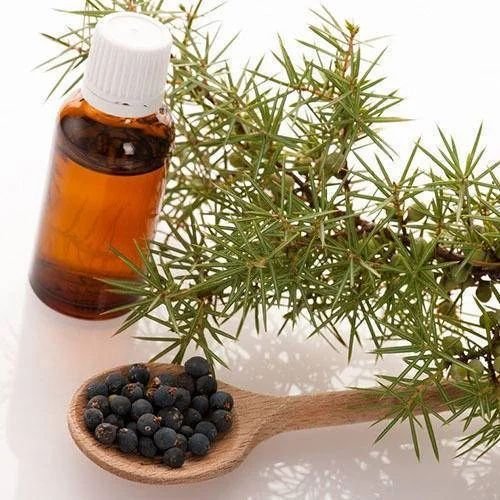
Juniper berry is an evergreen shrub, scientifically known as Juniperus communis belongs to Cupressaceae family. Juniper plant mostly grown in North America, Europe, Southwest Asia, California, New Mexico and Utah and it grows up to 6-25 feet and can identified by needle blue green leaves, small yellow flowers and blue- black berries or fruits.
Extraction-
Juniper berry oil is extracted from blue black colored berries of Juniperus communis through steam distillation.
Composition–
It constituents are α-pinene, β-pinene, camphene, sabinene, γ-terpinene, α-phellandrene, myrcene, α-terpinene, 1, 4-cineole, β-phellandrene, terpinene-4-ol, p-cymene, caryophyllene and bomyl acetate & linalyl acetate.
Blending-
Juniper berry oil nicely blends with bergamot, cypress, lavender, lemongrass, grapefruit, melaleuca, Geranium, rosemary, all citrus, lime, vetiver, lavandin and clary sage.
Properties-
Juniper berry oil is pale oil with watery viscosity, nice fruity smelling and having fresh and calming aroma. It is non-toxic, non- sensitizing.
Uses-
- Juniper berry oil have fresh and calming aroma which help in relieving stress and anxiety.
- It is used in vapor therapy as it helps in emotional issues such as addiction, nervous tension and hangovers.
- It is added into lotion and creams as it is effective against skin issues such as oily skin, acne, dermatitis, psoriasis and weeping eczema.
- It is used in massage oil or added to bath water as it provides relieve from pain.
- It can be used diluted on compress for arthritis and provide relieve from pain in passing urine, swollen joints, gout and muscle fatigue.
- It act as laxative and helps in regulating menstrual cycle.
- It provides protection against digestive problems like stomach upsets, intestinal fermentation, colitis etc.
- It helps in provide relief from hemorrhoids.
- It is used as natural cleansing and detoxifying agents.
- Juniper berry oil soothes indigestion symptoms like heartburn along with acid reflux.
- It is naturally good insect repellant.
- It is used as flavor enhancer and natural preservatives for food, drinks, sauces, marinades and even saukraut recipes.
- It is sudorific as it remove toxin from body and promotes & improve blood circulation.
Safety and Precaution-
- It may cause urine to smell like violets.
- It may lead to kidney irritation and blood in urine.
- Consult a qualified physician before taking this oil orally.
- Use in moderation if peoples who have reaction of it.
- Avoid using during pregnancy as it stimulates uterine muscle.
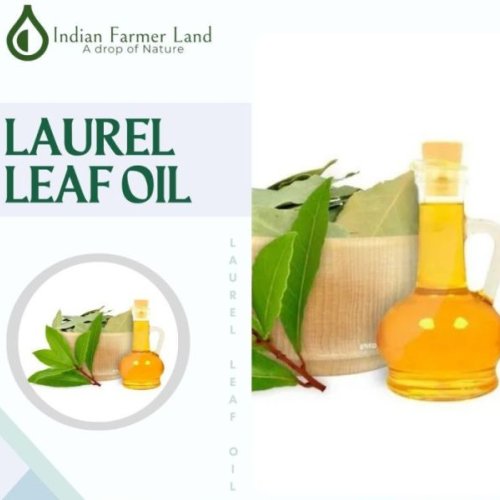
| Business Type | Manufacturer, Exporter, Supplier |
| Country of Origin | India |
| Botanical Source | Laurus nobilis |
| Description | Pale yellow coloured fluid liquid. |
| Odour | Strong, pleasant, fruity and exciting spicy odour. |
| Refractive Index | 1.465 – 1.472 |
| Optical Rotation | –10° -19° |
| Specific Gravity | 0.905 – 0.929 |
| Storage | In Well Fitted Container in Cool and Dark Place. |
Laurel Leaf Oil:
Laurel leaf is also known by other name like bay leaf, scientifically known as Laurus nobilis belongs to Lauraceae. Laurel is an evergreen shrub which grows up to 10-18 meter in height; it is native to Mediterranean regions. Mostly cultivated and produced by Hungary, France, Spain, Italy, Morocco, China and Turkey
Extraction:
Laurel leaf oil is extracted from freshly picked leaves of Laurus nobilis through steam distillation.
Properties:
Laurel leaf oil is deep greenish yellow & clear in colour and has strong, spicy scent. Laurel leaf oil has thin consistency. It has softer sweet, fruity or floral aroma.
Composition:
1, 8-Cineole, α-Pinene, α-Terpinyl acetate, Linalool, β-Pinene, methyl eugenol, geraniol, phellandrene, chavicol, limonene, myrcene, and neral.
Blending:
Laurel leaf oil is well mixes with clary sage, frankincense, pink grapefruit, juniper berry, lavender, lemon, pine, cypress and rosemary, cedar wood,
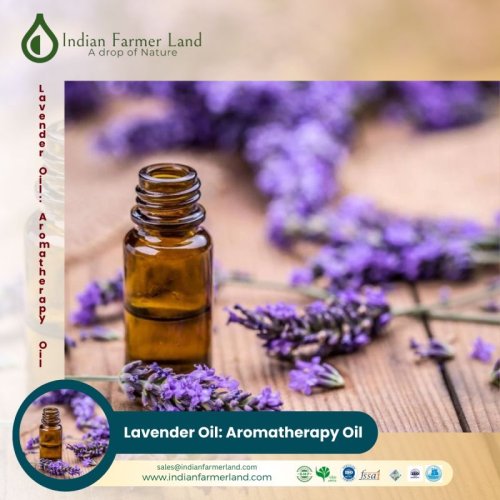
| Business Type | Manufacturer, Exporter, Supplier |
| Country of Origin | India |
| Testing Protocol | BP |
| Description | Colourless or Pale Yellow Clear Liquid. |
| Odour | Complex or Reminiscent of Linaslyl |
| Solubility | Very Slightly Soluble in Water, Miscible with Ethanol ( 96%) and with Fatty and Essential Oils. |
| Identification A | Meets the requirement |
| Refractive Index | 1.455 to 1.466 |
| Weight per ml | 0.878 to 0.892 |
| Optical Rotation | -12.5° to -6.0° |
| Acid Value | Max. 1.0 |
| Limonene | Max. 1.0% |
| Cineol | Max. 2.5% |
| 3-octanone | 0.1% – 5.0% |
| Camphor | Max. 1.2% |
| Linalool | 20% – 45% |
| Linalyl Acetate | 25% – 47% |
| Terpinen-4-ol | 0.1% – 8.0% |
| Lavandulyl Acetate | Min. 0.2% |
| Lavendulol | Min. 0.1% |
| Α-terpineol | Max. 2.0% |
| Chiral Purity | Meets the requirement |
| Storage | In well fitted container in cool and dry place below 25°C. |
Description-
Lavender oil is derived from well known flowering plant Lavandula angustifolia, belongs to Lamiaceae family. Lavender oil is acquired from flowers, leaves/buds of lavender plants through steam distillation. It is rich in esters and other chief constituents are linalyl acetate, linalool, terpene alcohol and terpinen-4-ol. Lavender oil has fresh, clean and dynamic floral aroma. Lavender oil well blends with many essential oils such as cedar wood, clary sage, pine, geranium and nutmeg. It is used in aromatherapy and many aromatic preparation & combination as it tonic for nerves and anxiety. Lavender oil is essential oil and aromatherapy oil as well so it can be applied directly on skin.
Extraction-
Lavender oil is extracted from flowers, leaves/buds of lavender plants through steam distillation.
Composition-
It is composed of 150 active constituents. It is rich in esters and other chief constituents are linalyl acetate, linalool, terpene alcohol, terpinen-4-ol and other constituents are camphor, cis-ocimene, lavandulyl acetate, 1, 8-cineole, limonene and geraniol.
Properties-
Lavender oil has fresh, clean and dynamic floral aroma. Its fragrance is calming, relaxing and balancing Lavender oil is clear with a tinge of yellow in appearance.
Blending-
Lavender oil well blends with many essential oils such as cedar wood, clary sage, pine, geranium and nutmeg.
Uses-
- It is used in aromatherapy and many aromatic preparation & combination as it tonic for nerves and anxiety.
- It is used to increases the mental activity by removing nervous exhaustion & restless and helpful in treating headache, migraine, depression, nervous tension and emotional stress.
- It is used in making of perfume, soaps and beauty products because of its dynamic aroma.
- It is used as bug repellent.
- It is used to induce sleep for the patients who are suffering from insomnia.
- It is used for treatment of hair loss and also it kills lice, lice eggs and nits so lavender oil strengthens the hair.
- It is used to improve blood circulation, lower blood pressure and for hypertension.
- It is used in making of creams and lotions as it heals the cuts, wounds, burns and sunburns.
- It is used to stimulate production of gastric juices and bile, aiding in treatment of indigestion, stomach pain, colic, flatulence, vomiting and diarrhea.
- It is used for treatment of leucorrhea.
- It is diuretic as it stimulates urine production.
- It is effective against respiratory disorders, used for treatment of throat infection, flu, cough, cold, asthma, sinus congestion, bronchitis, whooping, coughs, laryngitis and tonsillitis.
- It is used to relieve various types’ pain, sore & tense muscles, muscular aches, rheumatism, sprains, backache and lumbago.
Safety and Precautions–
- Do not use lavender oil while pregnant or breast feeding women.
- Do not use lavender oil people who have sensitive skin as it may cause allergic reaction.
- It may cause nausea, vomiting and headaches.
- Do not use diabetes patients.
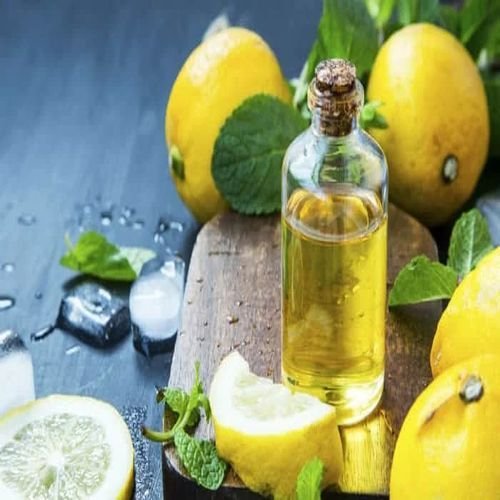
| Business Type | Manufacturer, Exporter, Supplier |
| Form | Liquid |
| Country of Origin | India |
| Type | Essential Oil |
| Application | Used In Cleaners, Food, Drinks, Stress Relief, Nail Care, Skin Care, Disinfection, Mood Improvement |
| Color | Yellow |
| Packaging Type | Bottle |
| Benefits | Treats Stress, Fever, Infections, Obesity, Stomach Issues, Tiredness, Asthma, Insomnia, Skin Problems, Hair Conditions |
| How To Use | Add To Foods, Beverages, Apply Topically On Skin Or Surfaces, Use In Diffuser For Scent |
| Additional Info | Strengthens Nails, Kills Nail Fungus, Removes Stains, Sanitizes Surfaces And Hands, Disinfects Dishcloths |
Lemon oil is an essential oil used worldwide in cleaners, key ingredients in drinks and food and many others health benefits. Lemon treats stress, fever, infections, obesity, stomach issues, tiredness, asthma, insomnia, skin problems and hair conditions
How Does Lemon Oil Work?
Lemon oil can be added to foods and beverages, or applied topically on your skin or on surfaces. Below are some ways on how lemon oil works its magic.
- Adding two to three drops of lemon oil to tea or warm water can help relieve sore throat.
- Applying a few drops of lemon oil to your nails can strengthen them. It may also help kill nail fungus.
- Applying a drop or two of lemon oil behind your ears can calm you down.
- Applying two to three drop of lemon oil to cold sores, calluses, or blisters daily can help remove them.
- Using one to two drops of lemon oil can help remove stains due to oil, grease, and crayon marks.
- One to two drops of lemon oil can help sterilize countertops and surfaces.
- Soaking dishcloths overnight in water with a drop of lemon oil can disinfect them.
- Rubbing lemon oil on your hands can help sanitize them.
- Apply a few drops of lemon oil on cotton balls and use on your skin for cleansing.
- Use lemon oil in a diffuser to spread its fruity scent.
When inhaled, lemon oil can help improve mood
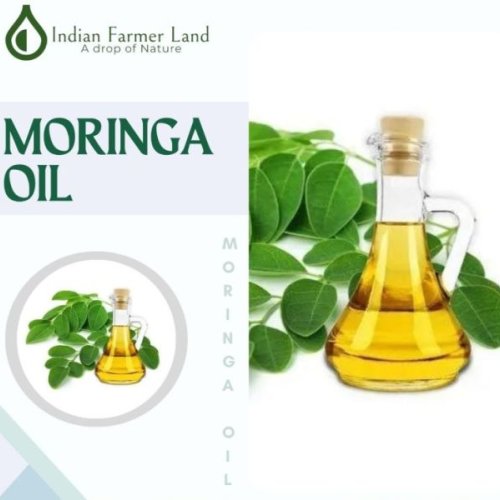
| Business Type | Manufacturer, Exporter, Supplier |
| Country of Origin | India |
| Packaging Type | Mobile Liquid |
| Odour | Light Yellow to Darker Colour Characteristic |
| Refractive Index | 1.460-1.480 |
| Weight per ml | 0.905-0.925 |
| Solubility | Soluble in Alcohol and other Organic Solvents and Insoluble Water. |
| Acid Value | NMT 2.0 |
| Peroxide value | NMT 20 |
| Myristic | Max. 1.0 |
| Palmitic | 5%-13% |
| Palmitoelic | 1%-2% |
| Stearic | 2 %- 6% |
| Oleic | 50%-78% |
| Linoleic | 0.1%-10% |
| Arachidic | max.2% |
| Eicosenoic | max. 3% |
| Behenic | Max. 10% |
| Storage | Store in cool and dark place below 25°C |
Description-
Moringa oil is obtained from Moringa oleifera tree belongs to Moringaceae family. It is also called as Ben oil due to high concentration of behenic acid in oil. Moringa tree well grows in poor soil as it is drought resistant. It is cultivated in India (native of Himalayan Foothills), Srilanka, Kenya, Malawi, Pakistan, Bangladesh, and Africa. It is used for various cosmetic products, cooking purpose.
Extraction-
Moringa oil can be extracted by cold pressed or solvent extraction method. It is obtained by pressing seeds of oleifera tree and boiled it with water so moringa oil is comes out at the surface of water.
Properties-
It is pale yellow in colour with a mild and pleasant or appealing taste. It is odorless and non drying nutty flavored oil. It is emollient in nature.
Composition-
Its constituents are Palmitic, stearic, Arachidic, Behenic, Oleic acid, Linoleic, Palmitoleic, Linolenic acid, Vitamin C and Vitamin A.
Blending-
Moringa oil well blends with essential oils
Uses-
- It is used in cooking as it is nutritious; it contains Vitamin B & Vitamin C.
- It helps in minimize the dark spot of acne and prevent wrinkles, it acts as anti oxidants.
- It removes blackheads and pimples and also rejuvenates damaged & tired skin.
- It is used as antiseptic and anti-inflammatory as it reduces inflammation so used for treatment for minor cuts, burns & rashes and also promotes healing process.
- It fights against dandruff and split ends; it is used in antidandruff shampoo.
- It is used in shampoo and conditioners as it strengthen and nourish hairs and treat to dry scalp.
- It is used as disinfectant to treat wounds.
- It is used as carrier for aromatic compounds.
- It provides nutrition to skin and relieves aging signs, used as anti aging.
- It is used for massage and aromatherapy.
- It protects liver from damage.
- It is used as moisturizers as it smooth and nourish skin.
- It impacts glow to skin without making skin too oily due to behenic acid.
- It is used to gently lift dirt from skin & pores with providing fresh and glowing complexion to skin.
- Recommended Usage – Hair care products, soaps & liquid body washes, aromatherapy oil, massage oil, face creams, perfumes & deodorants and scrubs.
Safety and Precaution-
Avoid use during pregnancy or breast feeding as it can cause miscarriage and unsafe for infants.
Consumption in empty stomach, it act as laxative. Sometimes consumption of moringa can cause nausea, diarrhea and heart burn.
| Business Type | Manufacturer, Exporter, Supplier |
| Country of Origin | India |
| Appearance | Fluid liquid |
| Colour | Yellowish red to dark |
| Odour | Pungent and spicy |
| Botanical Source | Origanum vulgare Linne |
| Specific Gravity @ 25°C | 0.935 TO 0.968 |
| Optical Rotation @ 25°C | -4° to +8° |
| Refractive Index 25°C | 70% – 80% Carvacrol content |
| Solubility | Soluble in 1.2 of 70% alcohol |
| Storage | In Well Fitted Container in Cool and Dark Place. |
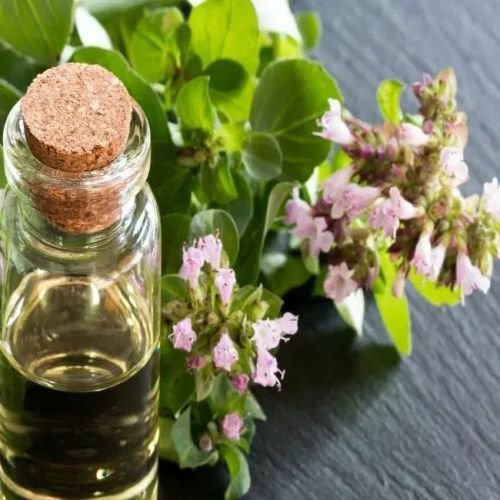
Description:
Oregano oil is acquired from oregano, scientifically known as Origanum vulgare belongs to Lamiaceae family. Oregano herb is hardy, bushy perennial herb that is native to Europe; it grows up to 35 inches in height, having dark green leaves that are 2 to 3 cm long. Oregano has purple flowers and spade shaped, olive green leaves.
Extraction:
Oregano oil is extracted from dried flowers and leaves of oregano plant through steam distillation method.
Composition:
Oregano plant is mainly constitutes of carvacrol, thymol, cymene, caryophyllene, pinene, bisbolene, linalool, borneol, geranyl acetate, linalyl acetate and terpinene.
Properties:
Oregano oil is yellow red to dark brownish in colour with a strong, pungent &spicy odor.
Blending:
Oregano oil is well blends with other essential oils such as lavender, rosemary, bergamot, chamomile, cypress, cedar wood, tea tree and eucalyptus oil.
Uses:
- It has expectorant quality; eliminates uncomfortable buildups of mucus and phlegm in respiratory tracts & sinuses, it prevents and treats symptoms of respiratory ailments.
- It soothes inflammation, internal or external, it reduces redness and irritation, relieve pain that might be related with arthritis or injury.
- It acts as antibacterial as it protects from infections of virus, bacterial and fungal infections, protects from colon and urinary tract infection, typhoid, cholera, skin infections and issues like food poisoning as well as protects from fungal infections.
- It strengthens immunity against colds, mumps, measles, pox and other issues created by Virus.
- It has antioxidant property, it protects from damages to body by free radicals and neutralize free radicals, it slows down aging process and prevent cancers, macular degeneration, degeneration of muscles due to aging, wrinkles, loss of vision and hearing, nervous disorders.
- It provide relief in menstruation and delaying onset of menopause, obstructed menses and reduce symptoms of oncoming menopause like mood swings and hormonal shifts.
- It has sedative property; it calms down hyper sensitivity and provide relief from allergy symptoms.
- It encourages digestion as it promotes secretion of digestive juices and increase nutrient digestibility & enzymes which helps in absorbing food.
- It helps in healing of psoriasis, athlete’s foot, flu and other infectious ailments.
Safety and Precaution:
- Avoid using high concentration of oregano oil as it can cause skin and mucus membrane.
- Do not use while pregnant due to its stimulation ns regulation of hormones, it can lead to miscarriage.
- People who are sensitive to basil, lavender, marjoram, mint or sage oil are also commonly allergic to oregano oil.
| Business Type | Manufacturer, Exporter, Supplier |
| Country of Origin | India |
| Storage | In well fitted container in cool and dark place. |
| Optical Rotation | -45.2° |
| Refractive Index | 1.505 |
| Specific Gravity | 0.956 |
| Botanical Source | Pogostemon Cablin Benth (Fam.: Labitae) |
| Odour | Characteristic Persistent, Camphoraceous Odour |
| Color | Brown colour |
| Appearance | Slightly viscous liquid |
Description:
Patchouli oil is acquired from evergreen perennial, scientifically known as Pogostemon patchouli and it belongs to Labitae. Patchouli oil is native to Southeast Asia, commonly cultivated in India, Indonesia, Philippines, China and Malaysia. It is bushy herb of the mint family with erect stems, grows up to 2 or 3 feet and bearing small, pale pink-white flowers.
Extraction:
Patchouli oil is obtained from leaves and white, violet marked flowers of the patchouli plant through steam distillation method.
Properties:
Patchouli oil is thick in consistency, light yellow, deep golden or brown in colour and having sweet, strong earthy aroma.
Composition:
Its major constituents are patchouli alcohol, alpha bulnesene, alpha-guaiene, seychellen, pogostrol, gamma-patchoulene and alpha patchoulene.
Blending:
Patchouli oil is nicely blends with bergamot, clary sage, geranium, lavender and myrrh.
Uses:
- Patchouli oil is effective against chapped skin or dry skin.
- It is used for aromatherapy as it provides peace and calming effect and reduces stress and nervous tension and treats insomnia.
- It has insect repellant property, used in protection of clothes and fabrics from insects.
- It provides relief from inflammation or irritation of fever, internal inflammation from conditions like arthritis and gout.
- It is antiseptic in nature, it protects wounds and ulcers from developing infections and prevent septic.
- It boosts sex drive; it is used for treatments of sexual issues such as impotency, loss of libido, disinterest in sex, erectile dysfunction, frigidity and sexual anxiety.
- It boosts immune system and help in prevention of colds, influenza and tonsillitis.
- Patchouli oil acts as tonic for overall well being as it stimulates stomach, liver and intestines to optimize metabolic function.
- It regulates endocrinal secretions of hormones and enzymes.
- It encourages contractions in muscles, nerves and skin, also strengthen hold of gums on teeth, prevent sagging skin and loosening of muscle tissue.
- It promotes growth of red blood cells which boosts energy levels and increases blood circulation, functionality and oxygenation of organs and body cells.
- It eliminates body odor.
- It has diuretic property, increases frequency of urination and promotes weight lose, lowers blood pressure and increases appetite, reduce cholesterol and eliminates toxins from body.
Safety and Precaution:
- Though patchouli oil has sweet, may be too strong that is unpleasant to some people.
- Avoid use in excessive amount of patchouli oil as its too much or smelling too strongly can be irritating to some peoples.
- Do not use patchouli oil during pregnancy.
- It can cause photosensitivity and appetite loss.

Raise your Query
Hi! Simply click below and type your query.
Our experts will reply you very soon.